Tapo C645D KIT review: A brilliant solar camera let down by its 2K video
I tested Tapo's dual-lens C645D solar camera for build, setup, tracking, night vision, and real battery drain — the power side amazed me, but the 2K footage is the catch.
Published July 13, 2026
Tested context
Tested at my own home as a wire-free solar security camera — setup through the Tapo app, dual-lens tracking with myself as the subject, daylight and night footage, two-way audio, and real battery drain under heavy use with the solar panel disconnected.
Verdict
The C645D KIT is a genuinely self-sufficient solar camera with a premium build and battery life that surprised me — but its 2K footage is soft and washed out, so it's a recommend with caveats rather than a clear win.
Pros
- Battery life was the real surprise — roughly 100% over two to three days on standby, and only down to about 97–98% after heavy testing with the solar panel disconnected
- Premium, solid build that's smaller than the listings suggest, with flexible solar mounting and a wire-free Type-C design
- Reliable person tracking, strong infrared night vision, and a genuinely useful spotlight
Cons
- 2K video from both lenses is soft and washed out — I couldn't read the number plate of a car parked directly opposite with a clear line of sight
- The telephoto lens doesn't deliver the distance detail you'd expect, and it leans on the internet and app rather than working fully offline
The Tapo C645D KIT is one of the most self-sufficient cameras I've tested — the solar-and-battery side genuinely impressed me — but its 2K video is the catch that keeps it from being an easy recommendation.
Two things pulled me toward this one. The first was the power: it's solar with a built-in battery, so there's no wiring and no worrying about an outlet, and it just keeps running even if there's no power for weeks. The second was the dual-lens design — a wide-angle lens paired with a telephoto lens that can follow whatever you tap in the wide view.
After living with it, most of that promise holds up. The build is premium, the battery life is the best surprise here, and night vision is solid. But the footage from both lenses left me wanting more, and that's the main thing holding it back.
Watch the full video review on YouTube.
I also compared it with two other Tapo smart home gadgets in this three-product video.
The build feels premium — and smaller than I expected
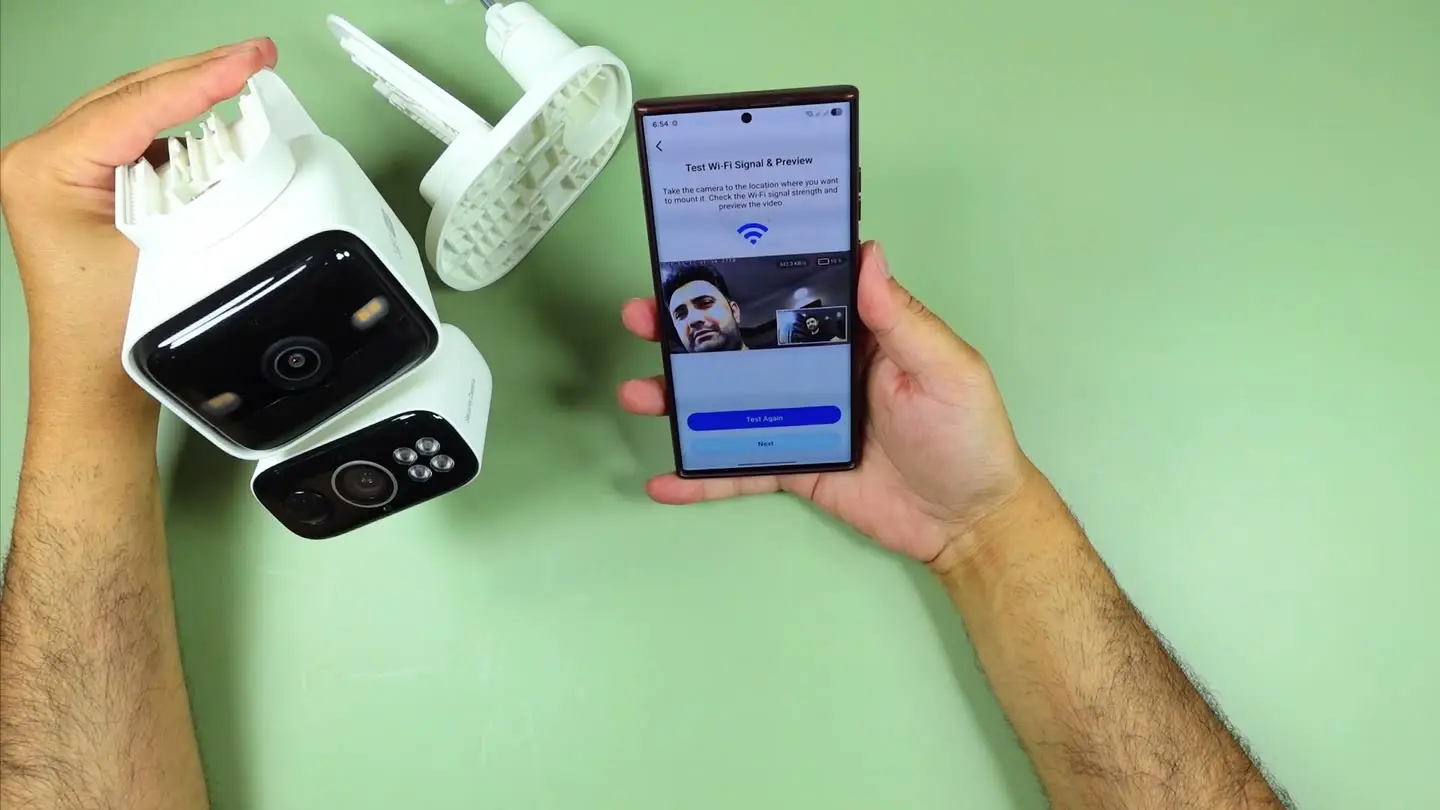
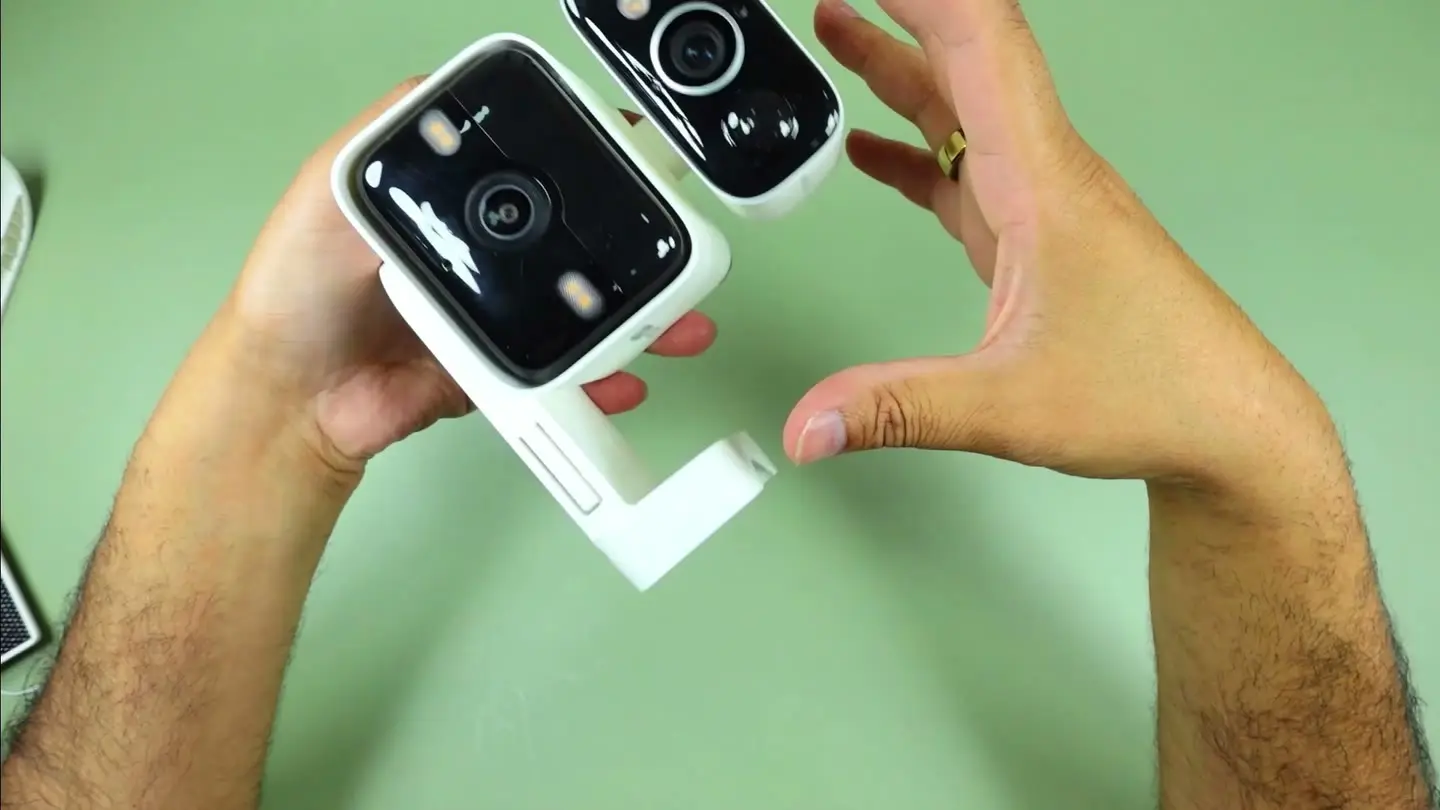
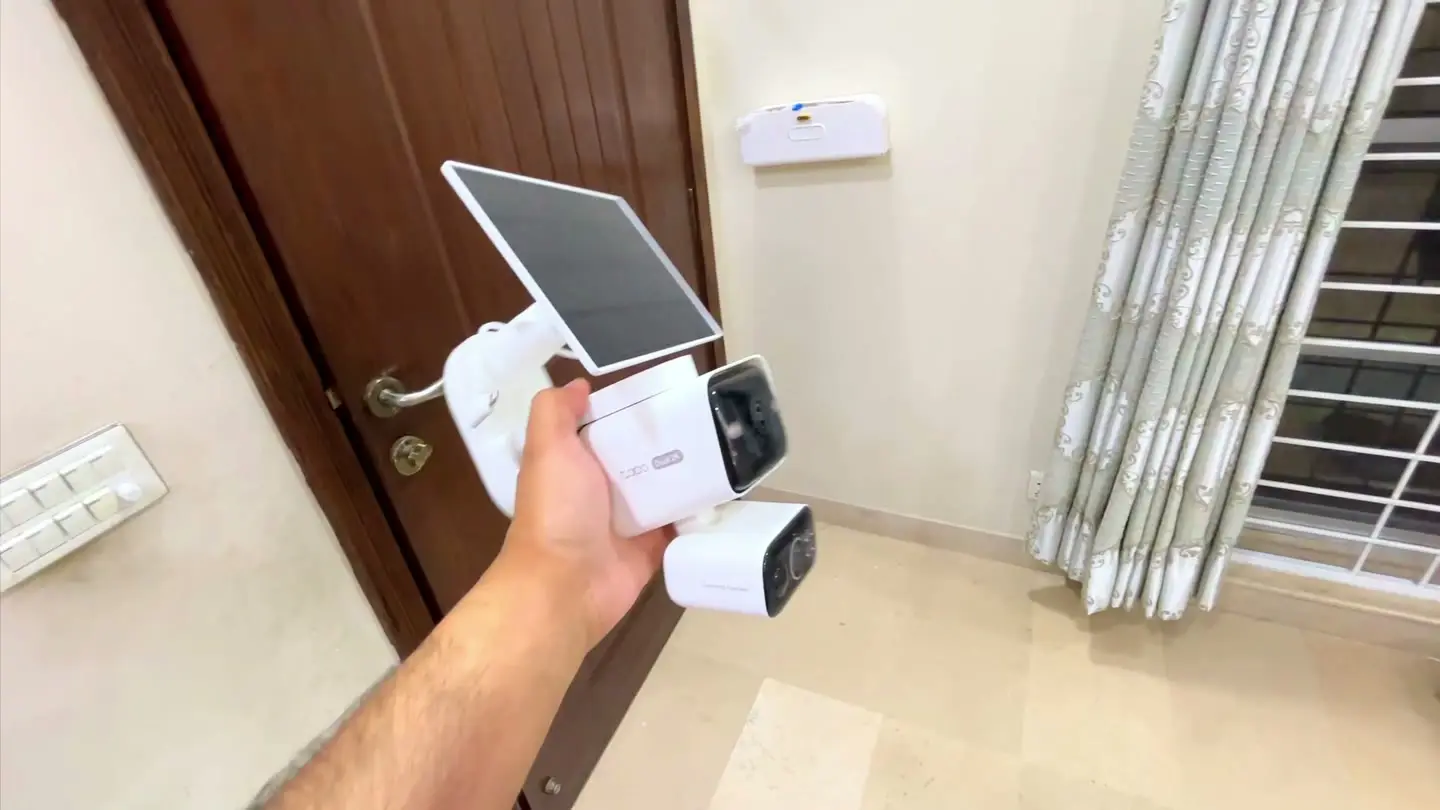
Picking it up, the C645D felt premium — solid, with no creaking or cracking. The bottom lens is the motorised one; it pans and tilts vertically. The top lens is fixed, though you can adjust its angle manually.
I liked the flexibility on the solar side. You can mount the camera and panel together as a single piece, or keep them separate and place the panel wherever the sun is best. It's a wire-free camera with a Type-C port for charging and the solar input, plus a microSD slot for local recording that supports cards up to 512GB — though the card isn't included.
One genuine surprise: from the online listings I expected a big camera, but out of the box it was noticeably smaller than I thought, in a good way.
Setup was genuinely seamless
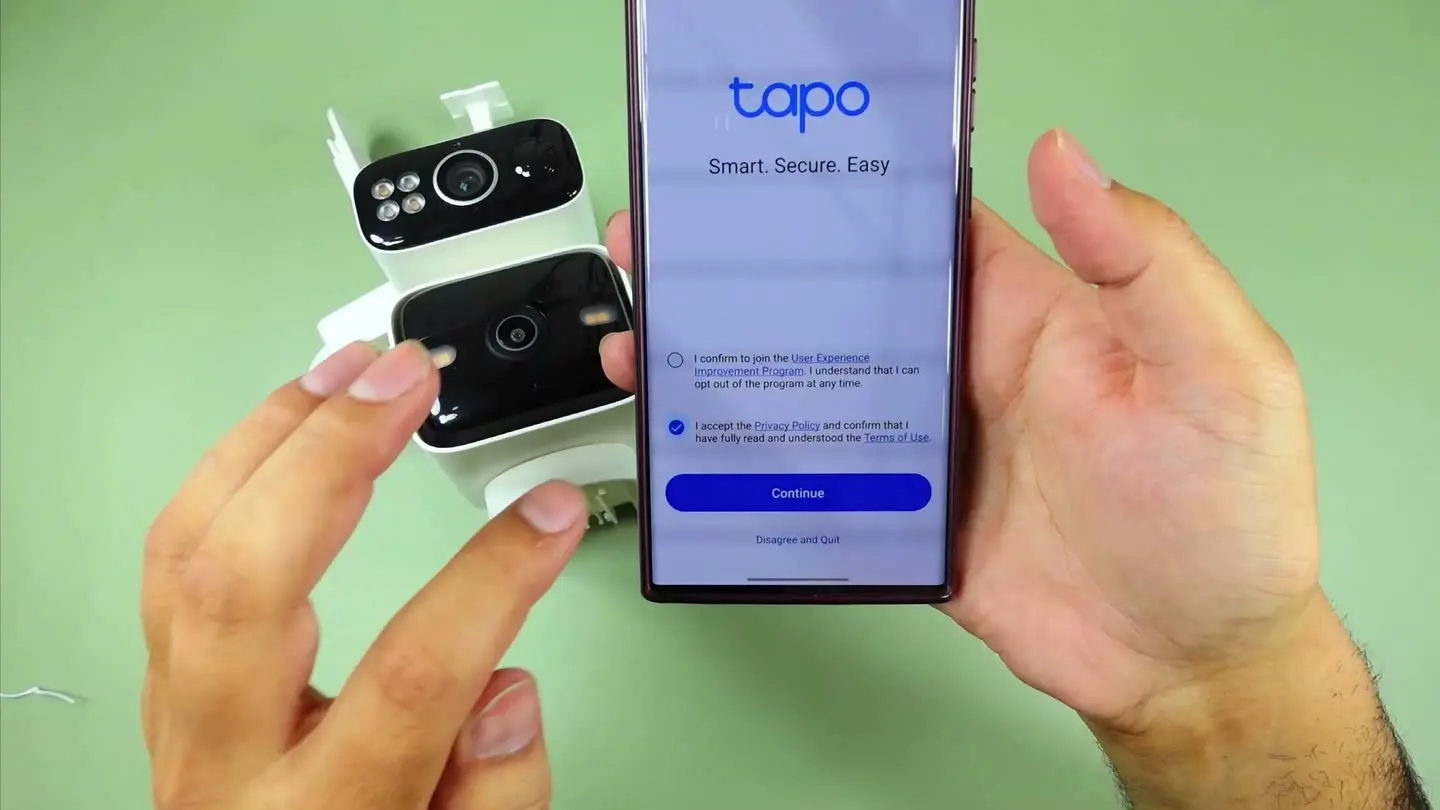
Setup was easy. I turned it on, opened the Tapo app, and it detected the camera automatically — it just asked for the right permissions, like Bluetooth, and that was it. No confusion.
Worth knowing: it works without a microSD card too. You add a card if you want recordings saved, but I did most of my testing on live view without one, and that worked fine.
Two lenses — but not for the reason you'd think
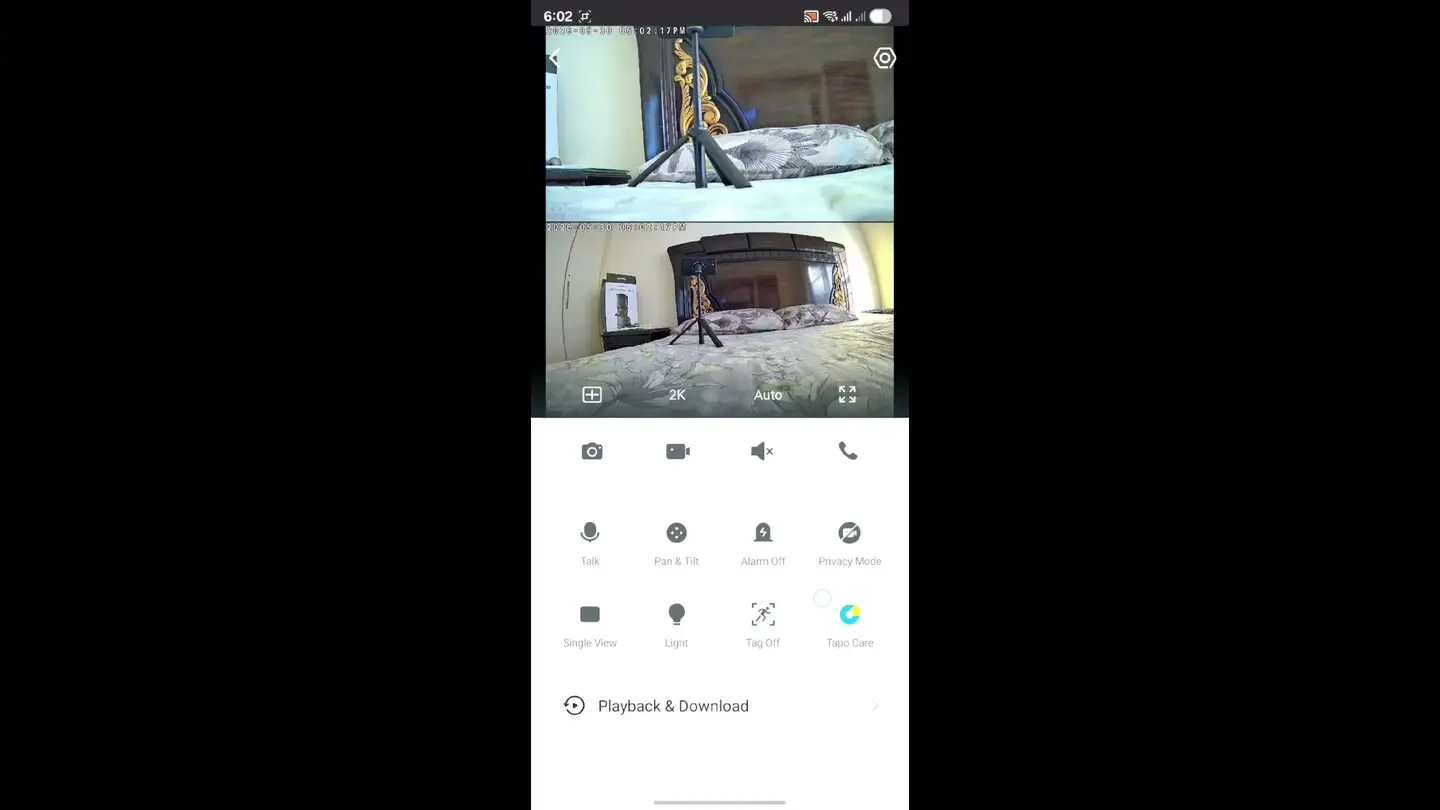
The two lenses are the headline feature. A lot of people focus on the fact that they're linked — you tap something and the zoom lens follows it. For me, that's not the real benefit.
What I actually like is that one lens can cover the front of my home while I rotate the other to watch the back — or set one to auto-patrol and keep the other fixed. That flexibility is the real reason to want a dual-lens camera. As for tracking, I only tested it with a person, which was me, and it was good: I walked, ran, and moved up and down, and it followed me effortlessly.
Video quality is the letdown
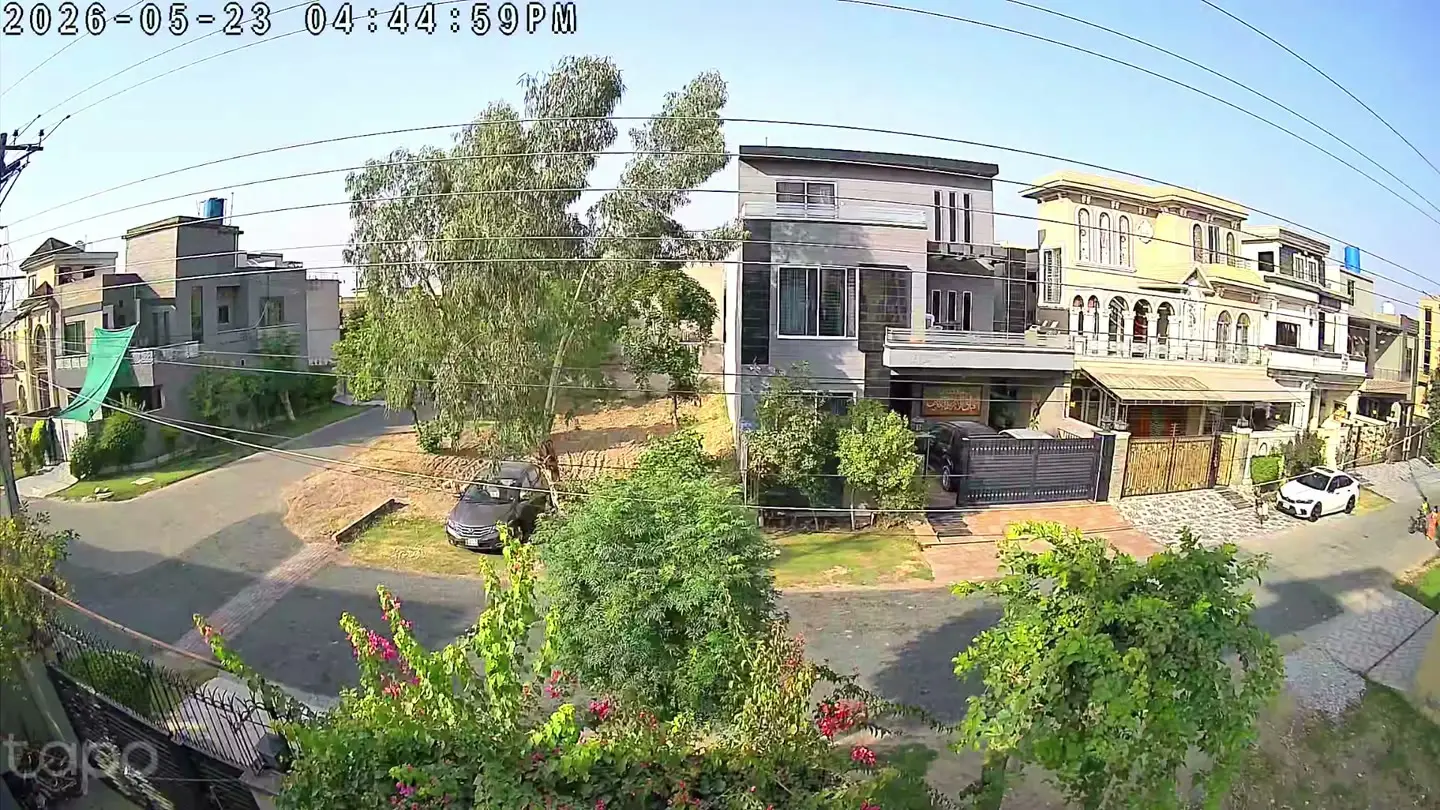
This is where it let me down. Both lenses record at 2K, but they don't capture the detail you'd want. There was a car parked directly opposite my home with a straight line of sight and nothing in the way — and I still couldn't read its number plate through the camera.
The colours also looked washed out and a little overprocessed. That was on the wide 2K lens, and the telephoto lens told the same story. If you're trying to identify something far away, this isn't the camera for it — a 4K option would have made a real difference here.
Night vision and the spotlight impressed me
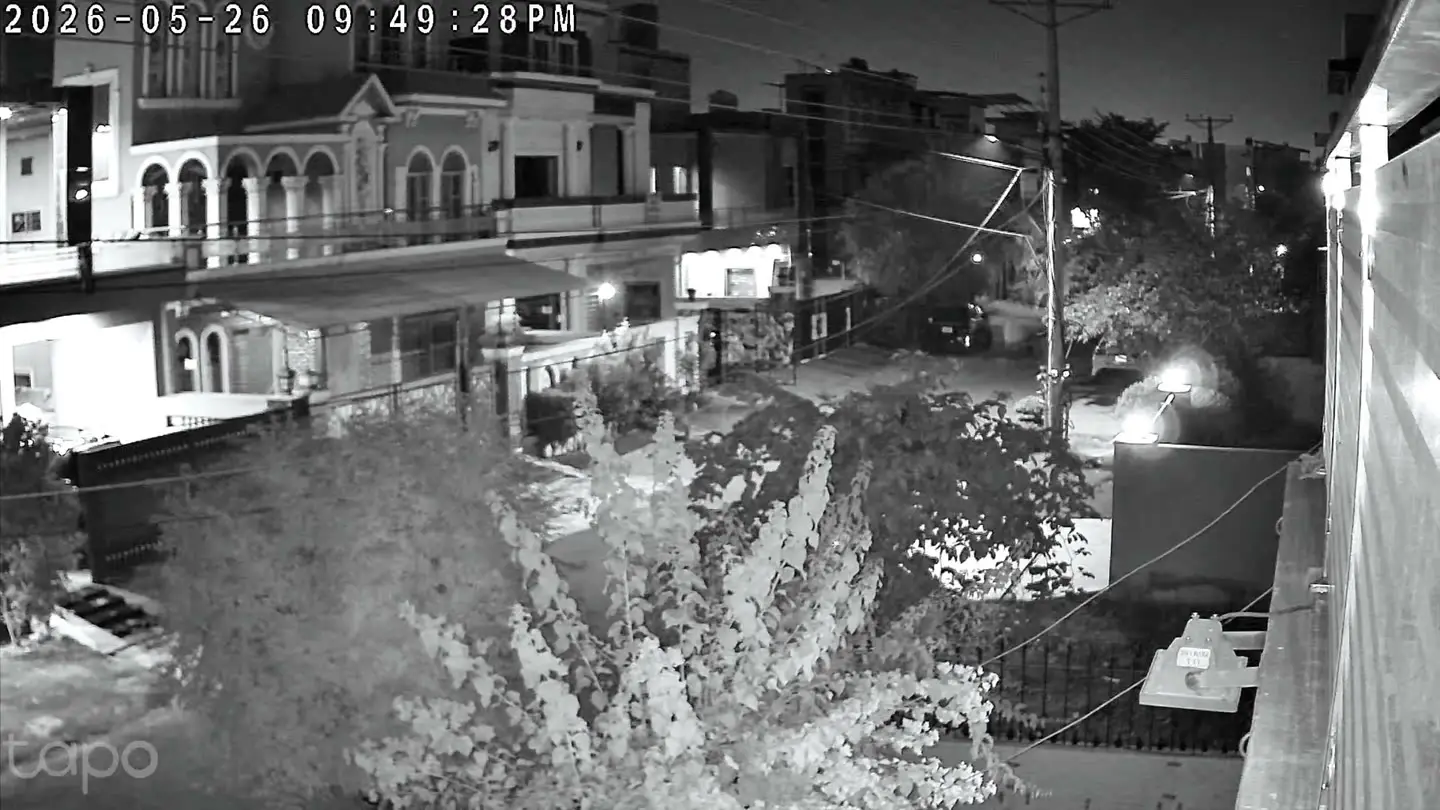
Night performance was the opposite story. The infrared mode especially produced clean results even from a distance. The spotlight was genuinely good too — it feels like a mini flashlight up there, lighting things up well and improving the detail you can actually see.
Solar and battery were the real surprise
Battery and solar were the biggest surprise, in a good way — mainly the battery life. Set to activate only on motion detection, with nothing triggering it, the camera stayed at around 100% for two to three days. That standby time was excellent.
Then I started hammering it — spotlights, the alarm, all of it — and it only dropped to about 97 or 98%. And the solar panel wasn't even connected for that; it was all battery. For the record, TP-Link's own claimed figures are a 10,000mAh battery, up to 120 days of life under lab conditions, and one hour of sunlight a day to keep it running. Those are claimed numbers, but my real-world experience lined up with the idea that this thing sips power.
The app and audio were smooth
The app experience was smooth across notifications, playback, live view, and settings, and I didn't feel important features were locked behind Tapo Care in an annoying way. The audio was decent from both the microphone and the speaker, and two-way talk was usable at a realistic outdoor distance, not just standing right next to the camera.
Who I think it is for
If you want a self-sufficient camera with no wiring, this is a good pick — a decent camera with really good battery life. It works best when you're watching things relatively close; a few metres out is fine. Just keep in mind that it leans on the internet and the app, so it isn't a fully standalone, offline system.
Skip it if your main goal is reading number plates or faces from far away. At around $150, the battery life, solar, build, and two lenses make it somewhat justifiable — I just really wish the video quality was better. For me, it's a recommend, but with caveats.
Where to buy
This article contains affiliate links. If you buy through them, I may earn a commission at no extra cost to you.
Is this for you?
Who it’s for
People who want a self-sufficient, wire-free camera with excellent battery life for watching an area relatively close by — a few metres out.
Who should skip it
Skip it if your main goal is identifying number plates or faces from a distance; the 2K footage isn't sharp enough for that.
Price & comparison
The C645D KIT was around $150 at the time of review.
Price as observed 2026-07-13; may have changed since.
Watch the review
Open on YouTubeDisclosure
Hero and evidence photos are original Tech With RR footage, captured firsthand during hands-on testing of the reviewed unit. The daylight and night frames are the camera's own recorded output.
This review contains an affiliate link. See our affiliate disclosure for details.